E-mail: wmb@ahhpt.com

Choosing the Right Planetary Gearbox for Your Industrial Needs
2023-09-22
Table of Contents:
1. Introduction: Understanding the Importance of Choosing the Right Planetary Gearbox
2. Key Considerations for Selecting a Planetary Gearbox
3. Types of Planetary Gearbox Configurations
3.1 In-line Planetary Gearboxes
3.2 Right-Angle Planetary Gearboxes
3.3 Planetary Gearheads
4. Factors to Evaluate When Choosing a Planetary Gearbox
4.1 Torque and Speed Requirements
4.2 Gear Ratio and Efficiency
4.3 Mounting Options
4.4 Size and Weight Constraints
4.5 Environmental Conditions and Lubrication
5. Benefits of Planetary Gearboxes in Industrial Applications
6. Common Applications of Planetary Gearboxes
7. FAQs: Answering Your Top Questions About Choosing a Planetary Gearbox
7.1 What are the advantages of a planetary gearbox?
7.2 How do I determine the required gear ratio for my application?
7.3 Can I use a planetary gearbox in a harsh environment?
7.4 What maintenance is required for planetary gearboxes?
7.5 How do I select the right mounting option for my gearbox?
8. Conclusion: Making the Right Choice for Your Industrial Gearbox Needs
1. Introduction: Understanding the Importance of Choosing the Right Planetary Gearbox
When it comes to industrial machinery, the selection of the right planetary gearbox is crucial for optimal performance and efficiency. A planetary gearbox, also known as an epicyclic gearbox, offers numerous advantages such as compact size, high torque density, and high efficiency. However, choosing the appropriate gearbox for your specific industrial needs requires careful consideration of various factors.
2. Key Considerations for Selecting a Planetary Gearbox
Before diving into the details of planetary gearbox configurations and selection criteria, it's essential to understand the key considerations involved. These considerations will help you make an informed decision and ensure that the chosen gearbox meets your industrial requirements.
3. Types of Planetary Gearbox Configurations
Planetary gearboxes come in different configurations, each designed to suit specific applications. Understanding the various types will enable you to select the most suitable one for your industrial needs.
3.1 In-line Planetary Gearboxes
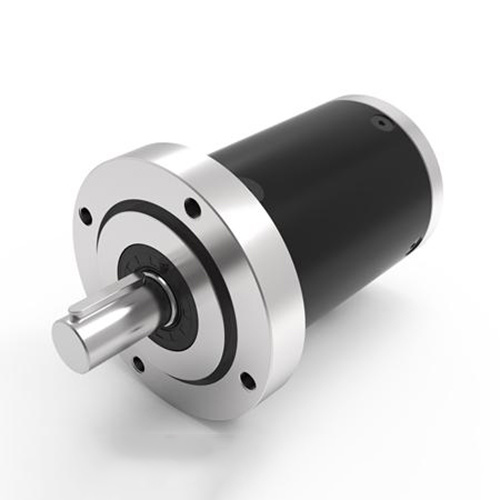
In-line planetary gearboxes are the most common configuration, featuring a coaxial input and output shaft. This type is known for its compact design, high power density, and excellent torsional stiffness. It is widely used in applications such as robotics, machine tools, and conveyors.
3.2 Right-Angle Planetary Gearboxes
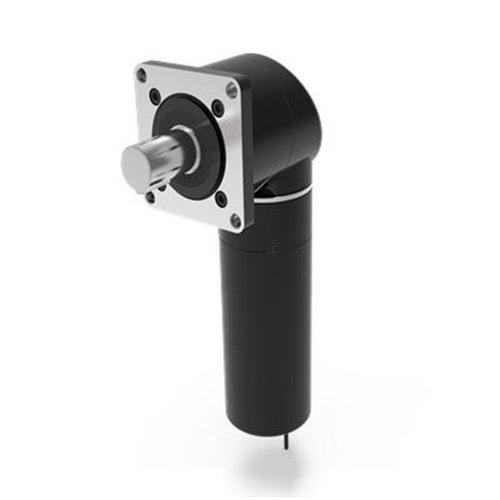
Right-angle planetary gearboxes are designed to transmit power at a 90-degree angle. They are commonly used in applications where space constraints or specific mounting orientations are a concern. These gearboxes find applications in printing presses, packaging machines, and material handling equipment.
3.3 Planetary Gearheads
Planetary gearheads are compact units that can be mounted directly onto a motor. They are often used in situations where space is limited, eliminating the need for a separate gearbox housing. These gearheads are ideal for applications like robotics, medical devices, and precision instruments.
4. Factors to Evaluate When Choosing a Planetary Gearbox
To select the right planetary gearbox, you need to consider several crucial factors that align with your industrial requirements. Here are some key factors to evaluate:
4.1 Torque and Speed Requirements
Understanding the torque and speed requirements of your application is fundamental to selecting an appropriate gearbox. Calculate the maximum torque and speed your machinery needs to handle, and ensure that the chosen gearbox can handle these specifications.
4.2 Gear Ratio and Efficiency
The gear ratio determines the relationship between the input and output speed of the gearbox. Consider the specific gear ratio required for your application and assess the gearbox's efficiency to ensure minimal energy losses.
4.3 Mounting Options
Evaluate the available mounting options to determine the most suitable one for your machinery. Consider factors such as available space, ease of installation, and alignment requirements.
4.4 Size and Weight Constraints
If your application has specific size and weight constraints, ensure that the chosen gearbox can accommodate these limitations without compromising performance.
4.5 Environmental Conditions and Lubrication
Consider the environmental conditions in which the gearbox will operate, such as temperature, humidity, and exposure to dust or chemicals. Select a gearbox that is designed to withstand these conditions and ensure proper lubrication.
5. Benefits of Planetary Gearboxes in Industrial Applications
Planetary gearboxes offer numerous benefits that make them suitable for a wide range of industrial applications. Some of the key advantages include:
- High torque density: Planetary gearboxes can transmit high torque in compact sizes, making them ideal for applications where space is limited.
- High efficiency: These gearboxes have low friction losses, resulting in high overall efficiency.
- Precise and smooth operation: Planetary gearboxes provide precise and smooth motion control, meeting the demands of industrial automation.
- Increased load capacity: The design of planetary gearboxes allows for increased load capacity, making them suitable for heavy-duty applications.
- Versatility: With a variety of configurations available, planetary gearboxes can adapt to different applications and industries.
6. Common Applications of Planetary Gearboxes
Planetary gearboxes find applications in various industries and machinery types. Some common examples include:
- Robotics: Planetary gearboxes are widely used in robotic systems to provide precise control and motion.
- Machine tools: These gearboxes drive various components in machine tools, ensuring accurate and efficient machining operations.
- Conveyor systems: Planetary gearboxes transmit power in conveyor systems, facilitating smooth material handling.
- Packaging machinery: Planetary gearboxes enable precise and reliable movements in packaging machines, improving productivity.
- Automotive industry: Gearboxes play a crucial role in automotive applications such as transmissions and electric vehicle systems.
7. FAQs: Answering Your Top Questions About Choosing a Planetary Gearbox
7.1 What are the advantages of a planetary gearbox?
Planetary gearboxes offer advantages such as compact size, high torque density, high efficiency, and precise motion control. They are also versatile and adaptable to various applications.
7.2 How do I determine the required gear ratio for my application?
To determine the required gear ratio, consider the desired output speed and torque of your application. Calculate the ratio between the input and output speed to select a suitable gearbox.
7.3 Can I use a planetary gearbox in a harsh environment?
Yes, planetary gearboxes designed for harsh environments are available. These gearboxes are built to withstand extreme temperatures, humidity, dust, and chemicals.
7.4 What maintenance is required for planetary gearboxes?
Regular maintenance includes proper lubrication, periodic inspection of gear teeth and bearings, and monitoring of temperature and vibration levels. Consult the manufacturer's guidelines for specific maintenance requirements.
7.5 How do I select the right mounting option for my gearbox?
Consider factors such as available space, alignment requirements, ease of installation, and accessibility when selecting the mounting option. Consult the manufacturer's guidelines for compatibility and recommendations.
8. Conclusion: Making the Right Choice for Your Industrial Gearbox Needs
Choosing the right planetary gearbox is crucial for achieving optimal performance and efficiency in your industrial applications. By carefully evaluating factors such as torque and speed requirements, gear ratio, mounting options, and environmental conditions, you can select a gearbox that perfectly matches your needs. Remember, a well-informed decision ensures smooth operations and maximizes the lifespan of your machinery.
1. Introduction: Understanding the Importance of Choosing the Right Planetary Gearbox
2. Key Considerations for Selecting a Planetary Gearbox
3. Types of Planetary Gearbox Configurations
3.1 In-line Planetary Gearboxes
3.2 Right-Angle Planetary Gearboxes
3.3 Planetary Gearheads
4. Factors to Evaluate When Choosing a Planetary Gearbox
4.1 Torque and Speed Requirements
4.2 Gear Ratio and Efficiency
4.3 Mounting Options
4.4 Size and Weight Constraints
4.5 Environmental Conditions and Lubrication
5. Benefits of Planetary Gearboxes in Industrial Applications
6. Common Applications of Planetary Gearboxes
7. FAQs: Answering Your Top Questions About Choosing a Planetary Gearbox
7.1 What are the advantages of a planetary gearbox?
7.2 How do I determine the required gear ratio for my application?
7.3 Can I use a planetary gearbox in a harsh environment?
7.4 What maintenance is required for planetary gearboxes?
7.5 How do I select the right mounting option for my gearbox?
8. Conclusion: Making the Right Choice for Your Industrial Gearbox Needs
1. Introduction: Understanding the Importance of Choosing the Right Planetary Gearbox
When it comes to industrial machinery, the selection of the right planetary gearbox is crucial for optimal performance and efficiency. A planetary gearbox, also known as an epicyclic gearbox, offers numerous advantages such as compact size, high torque density, and high efficiency. However, choosing the appropriate gearbox for your specific industrial needs requires careful consideration of various factors.
2. Key Considerations for Selecting a Planetary Gearbox
Before diving into the details of planetary gearbox configurations and selection criteria, it's essential to understand the key considerations involved. These considerations will help you make an informed decision and ensure that the chosen gearbox meets your industrial requirements.
3. Types of Planetary Gearbox Configurations
Planetary gearboxes come in different configurations, each designed to suit specific applications. Understanding the various types will enable you to select the most suitable one for your industrial needs.
3.1 In-line Planetary Gearboxes
In-line planetary gearboxes are the most common configuration, featuring a coaxial input and output shaft. This type is known for its compact design, high power density, and excellent torsional stiffness. It is widely used in applications such as robotics, machine tools, and conveyors.
3.2 Right-Angle Planetary Gearboxes
Right-angle planetary gearboxes are designed to transmit power at a 90-degree angle. They are commonly used in applications where space constraints or specific mounting orientations are a concern. These gearboxes find applications in printing presses, packaging machines, and material handling equipment.
3.3 Planetary Gearheads
Planetary gearheads are compact units that can be mounted directly onto a motor. They are often used in situations where space is limited, eliminating the need for a separate gearbox housing. These gearheads are ideal for applications like robotics, medical devices, and precision instruments.
4. Factors to Evaluate When Choosing a Planetary Gearbox
To select the right planetary gearbox, you need to consider several crucial factors that align with your industrial requirements. Here are some key factors to evaluate:
4.1 Torque and Speed Requirements
Understanding the torque and speed requirements of your application is fundamental to selecting an appropriate gearbox. Calculate the maximum torque and speed your machinery needs to handle, and ensure that the chosen gearbox can handle these specifications.
4.2 Gear Ratio and Efficiency
The gear ratio determines the relationship between the input and output speed of the gearbox. Consider the specific gear ratio required for your application and assess the gearbox's efficiency to ensure minimal energy losses.
4.3 Mounting Options
Evaluate the available mounting options to determine the most suitable one for your machinery. Consider factors such as available space, ease of installation, and alignment requirements.
4.4 Size and Weight Constraints
If your application has specific size and weight constraints, ensure that the chosen gearbox can accommodate these limitations without compromising performance.
4.5 Environmental Conditions and Lubrication
Consider the environmental conditions in which the gearbox will operate, such as temperature, humidity, and exposure to dust or chemicals. Select a gearbox that is designed to withstand these conditions and ensure proper lubrication.
5. Benefits of Planetary Gearboxes in Industrial Applications
Planetary gearboxes offer numerous benefits that make them suitable for a wide range of industrial applications. Some of the key advantages include:
- High torque density: Planetary gearboxes can transmit high torque in compact sizes, making them ideal for applications where space is limited.
- High efficiency: These gearboxes have low friction losses, resulting in high overall efficiency.
- Precise and smooth operation: Planetary gearboxes provide precise and smooth motion control, meeting the demands of industrial automation.
- Increased load capacity: The design of planetary gearboxes allows for increased load capacity, making them suitable for heavy-duty applications.
- Versatility: With a variety of configurations available, planetary gearboxes can adapt to different applications and industries.
6. Common Applications of Planetary Gearboxes
Planetary gearboxes find applications in various industries and machinery types. Some common examples include:
- Robotics: Planetary gearboxes are widely used in robotic systems to provide precise control and motion.
- Machine tools: These gearboxes drive various components in machine tools, ensuring accurate and efficient machining operations.
- Conveyor systems: Planetary gearboxes transmit power in conveyor systems, facilitating smooth material handling.
- Packaging machinery: Planetary gearboxes enable precise and reliable movements in packaging machines, improving productivity.
- Automotive industry: Gearboxes play a crucial role in automotive applications such as transmissions and electric vehicle systems.
7. FAQs: Answering Your Top Questions About Choosing a Planetary Gearbox
7.1 What are the advantages of a planetary gearbox?
Planetary gearboxes offer advantages such as compact size, high torque density, high efficiency, and precise motion control. They are also versatile and adaptable to various applications.
7.2 How do I determine the required gear ratio for my application?
To determine the required gear ratio, consider the desired output speed and torque of your application. Calculate the ratio between the input and output speed to select a suitable gearbox.
7.3 Can I use a planetary gearbox in a harsh environment?
Yes, planetary gearboxes designed for harsh environments are available. These gearboxes are built to withstand extreme temperatures, humidity, dust, and chemicals.
7.4 What maintenance is required for planetary gearboxes?
Regular maintenance includes proper lubrication, periodic inspection of gear teeth and bearings, and monitoring of temperature and vibration levels. Consult the manufacturer's guidelines for specific maintenance requirements.
7.5 How do I select the right mounting option for my gearbox?
Consider factors such as available space, alignment requirements, ease of installation, and accessibility when selecting the mounting option. Consult the manufacturer's guidelines for compatibility and recommendations.
8. Conclusion: Making the Right Choice for Your Industrial Gearbox Needs
Choosing the right planetary gearbox is crucial for achieving optimal performance and efficiency in your industrial applications. By carefully evaluating factors such as torque and speed requirements, gear ratio, mounting options, and environmental conditions, you can select a gearbox that perfectly matches your needs. Remember, a well-informed decision ensures smooth operations and maximizes the lifespan of your machinery.
Related news

Anhui High Precision Gear Transmission Co., Ltd
language
English
العربية
বাংলাদেশ
Български
Hrvatski
Česky
Dansk
Nederland
 Esperanto
Slovenski
Filipino
Suomi
Français
Maori
 Shqiptare
Georgian
 Euskara
Deutsch
Ελλάδα
ישראל
इंडिया
Magyarország
Ísland
Indonesia
Irlanda
Italia
日本語
Sovensko
Հայաստան
한국
Kyrgyz
ປະເທດລາວ
 Zulu
Zulu
Latvian
Lithuanian
Luxembourgish
 Latinus
Macedonian
Малайская
Maltese
Монгол улс
 Cymraeg
ဗမာ
 தமிழ்
தமிழ்
नेपाल
Norge
ایران
Polska
Portugal
România
Российская
Србија
 Slovak
Србија
 Slovak
Bosanski
Slovenian
Беларус
España
Sverige
Точик
ประเทศไทย
Türk
Azərbaycan
Uzbek
 Afrikaans
Việt Nam
Sales frontline:
Contact: Joanna
WhatsApp:8613989800585
E-mail: info@dxtlexp.com
Copyright © 2022 Anhui High Precision Gear Transmission Co., Ltd | Business license | Powered by www.300.cn | SEO


