E-mail: wmb@ahhpt.com

Understanding Gear Ratio in Planetary Gearbox Design: A Comprehensive Guide
2023-11-17
Table of Contents
1. Introduction: What is a Gear Ratio?
2. The Basics of Planetary Gearbox Design
3. Gear Ratio Calculation in Planetary Gearboxes
4. Importance of Gear Ratios in Power Transmission
5. Torque and Speed Considerations in Gear Ratio Selection
6. Efficiency and Power Loss in Planetary Gear Systems
7. Factors Affecting Gear Ratio Selection
8. Common Applications of Planetary Gearboxes
9. FAQs: Answering Your Gear Ratio Queries
9.1 What is the formula for calculating gear ratio?
9.2 Can gear ratio be greater than 1?
9.3 How does gear ratio affect torque?
9.4 What is the advantage of using a high gear ratio?
9.5 Are there any drawbacks to high gear ratios?
10. Conclusion
1. Introduction: What is a Gear Ratio?
Gear ratio refers to the relationship between the rotational speeds of two or more gears in a mechanical system. It quantifies the number of revolutions made by the input gear to produce a specific number of revolutions in the output gear. Understanding gear ratio is crucial for efficient power transmission and achieving desired output characteristics.
2. The Basics of Planetary Gearbox Design
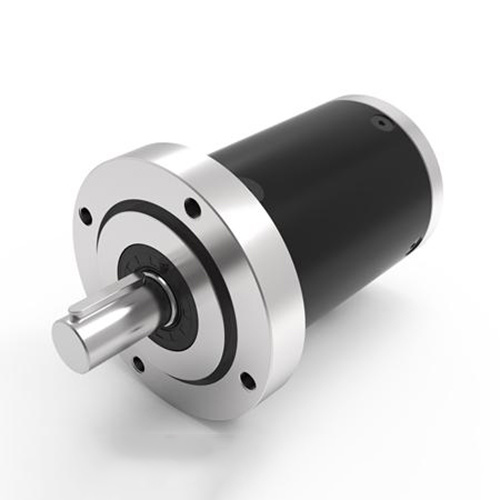
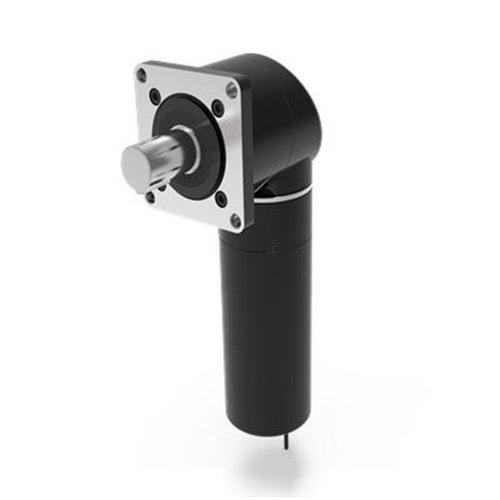
Planetary gearboxes, also known as epicyclic gear systems, utilize a central sun gear, planet gears, and an outer ring gear to transmit power between the input and output shafts. This design offers numerous advantages, including compactness, high torque density, and precise speed variations.
3. Gear Ratio Calculation in Planetary Gearboxes
Calculating gear ratio in planetary gearboxes involves analyzing the number of teeth on each gear and their arrangement. The gear ratio is determined by dividing the number of teeth on the output gear by the number of teeth on the input gear. Understanding the gear arrangement and gear ratio formula is essential for optimizing gearbox performance.
4. Importance of Gear Ratios in Power Transmission
Gear ratios play a crucial role in power transmission systems. They determine the torque multiplication or reduction, rotational speed, and direction of the output shaft. The choice of gear ratios directly affects the overall efficiency, speed range, and load capacity of the gearbox.
5. Torque and Speed Considerations in Gear Ratio Selection
Selecting the appropriate gear ratio involves considering the desired torque and speed requirements for a specific application. Higher gear ratios provide increased torque output while sacrificing rotational speed. Conversely, lower gear ratios offer higher speed but lower torque. Engineers must carefully analyze the intended use and load conditions to optimize gear ratio selection.
6. Efficiency and Power Loss in Planetary Gear Systems
Gearboxes experience power loss due to various factors, including friction, misalignment, and gear meshing. Higher gear ratios can lead to increased power loss and reduced efficiency. Understanding the relationship between gear ratio, efficiency, and power loss enables engineers to make informed decisions during gearbox design.
7. Factors Affecting Gear Ratio Selection
Several factors influence gear ratio selection, including the desired output speed, torque requirements, space constraints, and input power limitations. Engineers must consider these factors along with the specific application's operational conditions to achieve optimal gear ratio design.
8. Common Applications of Planetary Gearboxes
Planetary gearboxes find applications in a wide range of industries, including automotive, aerospace, robotics, and industrial equipment. They are commonly used in power transmission systems, speed reducers, and torque amplifiers due to their compact size, high efficiency, and versatility.
9. FAQs: Answering Your Gear Ratio Queries
9.1 What is the formula for calculating gear ratio?
The gear ratio formula is simply the number of teeth on the output gear divided by the number of teeth on the input gear.
9.2 Can gear ratio be greater than 1?
Yes, gear ratios can be greater than 1, indicating torque amplification from the input to the output gear.
9.3 How does gear ratio affect torque?
Gear ratio directly affects torque output - higher gear ratios result in increased torque, while lower ratios reduce torque.
9.4 What is the advantage of using a high gear ratio?
A high gear ratio provides higher torque output for heavy-duty applications, enabling efficient power transmission and load handling.
9.5 Are there any drawbacks to high gear ratios?
High gear ratios may result in slower rotational speeds, limiting applications that require high-speed output.
10. Conclusion
In conclusion, understanding gear ratios is fundamental to the efficient design and operation of planetary gearboxes. Careful consideration of torque, speed, efficiency, and power loss helps engineers select optimal gear ratios for various applications. By harnessing the power of gear ratios, engineers can achieve superior performance, reliability, and longevity in gear systems.
1. Introduction: What is a Gear Ratio?
2. The Basics of Planetary Gearbox Design
3. Gear Ratio Calculation in Planetary Gearboxes
4. Importance of Gear Ratios in Power Transmission
5. Torque and Speed Considerations in Gear Ratio Selection
6. Efficiency and Power Loss in Planetary Gear Systems
7. Factors Affecting Gear Ratio Selection
8. Common Applications of Planetary Gearboxes
9. FAQs: Answering Your Gear Ratio Queries
9.1 What is the formula for calculating gear ratio?
9.2 Can gear ratio be greater than 1?
9.3 How does gear ratio affect torque?
9.4 What is the advantage of using a high gear ratio?
9.5 Are there any drawbacks to high gear ratios?
10. Conclusion
1. Introduction: What is a Gear Ratio?
Gear ratio refers to the relationship between the rotational speeds of two or more gears in a mechanical system. It quantifies the number of revolutions made by the input gear to produce a specific number of revolutions in the output gear. Understanding gear ratio is crucial for efficient power transmission and achieving desired output characteristics.
2. The Basics of Planetary Gearbox Design
Planetary gearboxes, also known as epicyclic gear systems, utilize a central sun gear, planet gears, and an outer ring gear to transmit power between the input and output shafts. This design offers numerous advantages, including compactness, high torque density, and precise speed variations.
3. Gear Ratio Calculation in Planetary Gearboxes
Calculating gear ratio in planetary gearboxes involves analyzing the number of teeth on each gear and their arrangement. The gear ratio is determined by dividing the number of teeth on the output gear by the number of teeth on the input gear. Understanding the gear arrangement and gear ratio formula is essential for optimizing gearbox performance.
4. Importance of Gear Ratios in Power Transmission
Gear ratios play a crucial role in power transmission systems. They determine the torque multiplication or reduction, rotational speed, and direction of the output shaft. The choice of gear ratios directly affects the overall efficiency, speed range, and load capacity of the gearbox.
5. Torque and Speed Considerations in Gear Ratio Selection
Selecting the appropriate gear ratio involves considering the desired torque and speed requirements for a specific application. Higher gear ratios provide increased torque output while sacrificing rotational speed. Conversely, lower gear ratios offer higher speed but lower torque. Engineers must carefully analyze the intended use and load conditions to optimize gear ratio selection.
6. Efficiency and Power Loss in Planetary Gear Systems
Gearboxes experience power loss due to various factors, including friction, misalignment, and gear meshing. Higher gear ratios can lead to increased power loss and reduced efficiency. Understanding the relationship between gear ratio, efficiency, and power loss enables engineers to make informed decisions during gearbox design.
7. Factors Affecting Gear Ratio Selection
Several factors influence gear ratio selection, including the desired output speed, torque requirements, space constraints, and input power limitations. Engineers must consider these factors along with the specific application's operational conditions to achieve optimal gear ratio design.
8. Common Applications of Planetary Gearboxes
Planetary gearboxes find applications in a wide range of industries, including automotive, aerospace, robotics, and industrial equipment. They are commonly used in power transmission systems, speed reducers, and torque amplifiers due to their compact size, high efficiency, and versatility.
9. FAQs: Answering Your Gear Ratio Queries
9.1 What is the formula for calculating gear ratio?
The gear ratio formula is simply the number of teeth on the output gear divided by the number of teeth on the input gear.
9.2 Can gear ratio be greater than 1?
Yes, gear ratios can be greater than 1, indicating torque amplification from the input to the output gear.
9.3 How does gear ratio affect torque?
Gear ratio directly affects torque output - higher gear ratios result in increased torque, while lower ratios reduce torque.
9.4 What is the advantage of using a high gear ratio?
A high gear ratio provides higher torque output for heavy-duty applications, enabling efficient power transmission and load handling.
9.5 Are there any drawbacks to high gear ratios?
High gear ratios may result in slower rotational speeds, limiting applications that require high-speed output.
10. Conclusion
In conclusion, understanding gear ratios is fundamental to the efficient design and operation of planetary gearboxes. Careful consideration of torque, speed, efficiency, and power loss helps engineers select optimal gear ratios for various applications. By harnessing the power of gear ratios, engineers can achieve superior performance, reliability, and longevity in gear systems.
Related news

Anhui High Precision Gear Transmission Co., Ltd
language
English
العربية
বাংলাদেশ
Български
Hrvatski
Česky
Dansk
Nederland
 Esperanto
Slovenski
Filipino
Suomi
Français
Maori
 Shqiptare
Georgian
 Euskara
Deutsch
Ελλάδα
ישראל
इंडिया
Magyarország
Ísland
Indonesia
Irlanda
Italia
日本語
Sovensko
Հայաստան
한국
Kyrgyz
ປະເທດລາວ
 Zulu
Zulu
Latvian
Lithuanian
Luxembourgish
 Latinus
Macedonian
Малайская
Maltese
Монгол улс
 Cymraeg
ဗမာ
 தமிழ்
தமிழ்
नेपाल
Norge
ایران
Polska
Portugal
România
Российская
Србија
 Slovak
Србија
 Slovak
Bosanski
Slovenian
Беларус
España
Sverige
Точик
ประเทศไทย
Türk
Azərbaycan
Uzbek
 Afrikaans
Việt Nam
Sales frontline:
Contact: Joanna
WhatsApp:8613989800585
E-mail: info@dxtlexp.com
Copyright © 2022 Anhui High Precision Gear Transmission Co., Ltd | Business license | Powered by www.300.cn | SEO


